Top Nutrition Coaching is fully dedicated to providing its readers with transparent, accurate, and compassionate information that applies to individuals from every demographic. Our nutritionists adhere to specific guidelines when creating content to ensure that all published materials are most advantageous to our readers. Top Nutrition Coaching has a no-tolerance policy regarding plagiarism.
All materials published by Top Nutrition Coaching adhere to the criteria outlined below:
- When possible, Top Nutrition Coaching only uses primary sources. Only peer-reviewed journals and government and state sites will be used if primary sources are unavailable.
- Our team reviews every article on the Top Nutrition Coaching site on a periodic basis. Our regular review process ensures that we constantly communicate the most up-to-date information about nutrition, health, and wellness.
- All of our content will be thorough and factual but also approachable. Our goal is to help readers learn about nutrition, not to confuse them.
- All of our content is verified by nutritionists and dietitians with certifications and advanced degrees. Every article will include a registered nutritionist or dietitian’s byline.
- None of our content will include false promises or guarantees. Our number one priority is supporting our audience and their health – their needs come first.


How to Lose Weight with PMOS: A Practical Guide to Managing Your Health
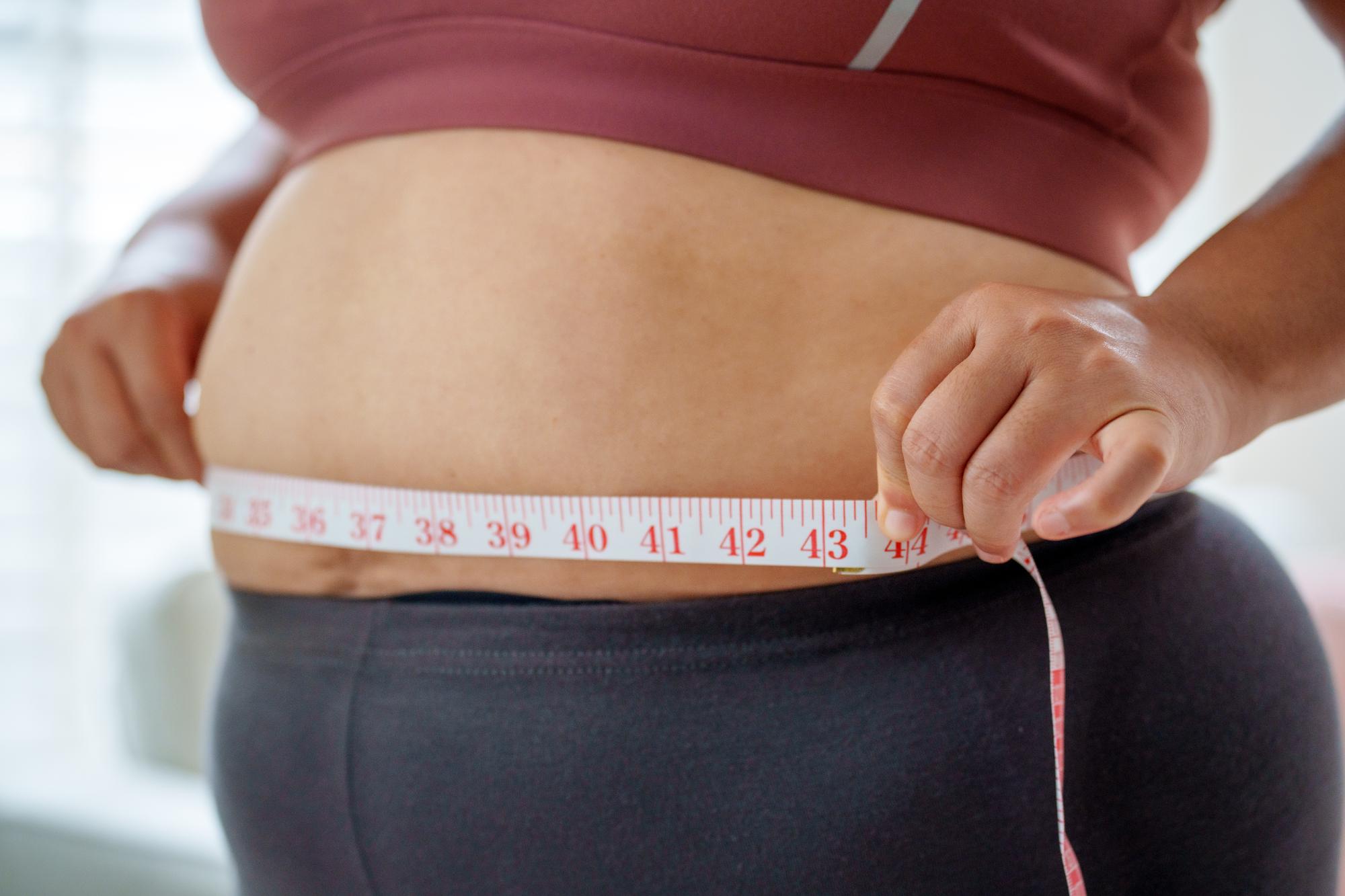
You have a few “off” weeks, eating out more and exercising less. Before you know it, extra weight has crept on, and your clothes feel too tight. Losing that weight, though? That takes way longer — for everyone.
Add polyendocrine metabolic ovarian syndrome (PMOS) to the mix, and it can feel like an extra slow burn to lose weight.
Read on to learn how PMOS impacts the bodily processes that affect your weight. Plus, advice on learning to live with that impact while sustaining healthy habits.
Why Losing Weight with PMOS Feels So Much Harder
It’s always hard to lose weight, but PMOS comes with some very specific challenges. This includes:
- Insulin Resistance: When muscle, fat, and liver cells don’t respond well to insulin, they aren’t able to absorb blood sugar as well. This makes the pancreas produce even more insulin. When insulin is abundant, it tells the body that there’s plenty of energy, so it should be stored as fat instead of broken down.
- Increased Androgens: Androgens (like testosterone) tend to cause more abdominal fat. While women often store fat in the hips and thighs, men (who have more testosterone than women) tend to gain in their belly. When women have more androgens, they also gain more in the belly.
- Slower Metabolism: Some people with PMOS have a lower basal metabolic rate (BMR). This is usually because of insulin resistance, where the body stores fat more easily. High androgens and chronic inflammation also contribute to a slower metabolism.
- Chronic Inflammation: PMOS comes with low-grade chronic inflammation, which interferes with insulin and hormone regulation. It also increases cortisol, which encourages fat storage, too.
- Appetite and Hormone Disruption: Since hormones are disrupted, hunger hormones also work differently. You might feel hungry much more often, feel full much later, and get more cravings. Hunger hormones can become more fickle when dieting is too restrictive, and energy intake isn’t consistent.
What to Eat When You Have PMOS
No matter your health condition, a whole foods diet is most likely to do your body good. Whole foods are natural, unprocessed, nutritious, and lower in calories. For example:
- Non-starchy vegetables (leafy greens, broccoli, peppers, mushrooms)
- Starchy vegetables (beets, peas, squash, parsnips, sweet potatoes)
- Low-sugar fruits (citrus, kiwi, berries, melons, avocados, tomatoes)
- Lean proteins (fish, chicken, beans, legumes)
- Whole grains (brown rice, quinoa, oats)
- Healthy fats (olive oil, avocados, nuts)
- Omega-3-rich fish (salmon, sardines)
Learn more about how to follow a PMOS diet.
How to Be Mindful and Avoid Restrictive Eating
There’s no food you have to eliminate. Eating well isn’t about eating restrictively; it’s about balance. You should enjoy your favorite foods, and instead of worrying about eliminating them, focus on slowly adding in more whole foods.
As long as you keep adding in more whole foods, they’ll eventually become your main source of energy. For example, you can start by adding another serving of veggies to your dinner, and eventually, you’ll get to a balanced plate that’s half full of veggies, a quarter lean protein, and a quarter starchy veggies or whole grains.
As you add more whole foods, you’ll naturally start to eat less processed foods, like:
- Fried foods
- Sugary drinks
- Processed meats
- Highly processed snacks
- Refined carbs eaten alone
So if you want to stick with Friday night pizza nights, that’s totally fine. Think of how else in your day you’re giving yourself whole foods, or maybe even add a salad to eat as an appetizer.
Focus on adding whole foods and nutritious ingredients, and balance will come.
Understanding Carbohydrates and PMOS
Pairing carbs with protein, fibre, or fat slows digestion and keeps blood sugar steadier. That’s just part of why you don’t have to cut carbs (along with how too much restriction can also mess with your hormones and cravings).
So instead of restricting yourself, think more about adding healthy foods as well to build a better plate. For example:
- Chopped veggies and dip with your chips
- Eating the whole fruit for the fibrous pulp versus fruit juice
- Toast with eggs, avocado, or nut butter and fresh fruit rather than jam
- Oatmeal with Greek yogurt, seeds, fruit, or nut butter
- Pasta with veggies and protein (chicken, tofu, beans, etc.)
- Crackers with hummus or cheese
- Raw nuts with sugary fruit
Lifestyle Changes That Support Weight Loss with PMOS
Lifestyle habits play a huge role in insulin sensitivity and hormone balance. And as we know from countless research studies on habit psychology, small, consistent changes beat dramatic resets every time. Here are some ways to slowly tweak your habits outside of food:
Exercise Strategies That Work
You don’t need to hit the gym five days a week; studies show that even small bits of movement make a difference. About 150 minutes total, or 20 minutes a day, is enough. For example:
- 10-20 minutes of strength training with weights daily before breakfast
- Going for a walk whenever you’re on a phone call, catching up with friends or family
- Pilates at home 2-3 times per week to build strength without spiking stress hormones
- Light dumbbells or resistance bands between meetings as stress relief
- Gentle strength-based classes (yoga, barre, reformer Pilates) that support muscle building without overdoing it
Managing Stress and Sleep
We all know stress or a bad night’s sleep makes us cranky and hungry. Here’s how to try lowering stress and improving sleep, without putting too much pressure on yourself:
- Protect Your Energy, Not Just Your Time: Overbooking yourself increases cortisol even if you’re “doing all the right things.”
- Lower Stimulation at Night: Reduce caffeine after the early afternoon and avoid intense workouts late in the evening.
- Get Outside During the Day, Especially in the Morning: Natural light helps regulate your sleep-wake cycle.
- Create a Wind-Down Routine: Before bed, dim lights, stretch, read, no emails, light a candle, etc. You can also create a wind-down routine after work to reduce stress (phone away, watch a sitcom, cook something fun, etc.).
- Don’t Bother Trying to Be Perfect: Small changes that get you moving towards consistency are most likely to last. For example, going to bed and waking up around the same time matters more than an early bedtime. Don’t push something that isn’t practical for you.
Eating Patterns and Meal Timing
Long gaps between meals can lead to blood sugar swings, intense cravings, and overeating later. Helpful, sustainable strategies include:
- Eat every 3-4 hours to keep blood sugar stable and reduce insulin spikes.
- Start the day with protein (eggs, Greek yogurt, tofu, protein smoothie, etc.) to prevent mid-morning crashes.
- Build balanced meals with carbs, protein, fiber, and fat—no need to eliminate entire food groups.
- Avoid skipping meals to “save calories” — this often backfires.
- Plan simple backups (frozen meals, snacks with protein) for busy or low-energy days.
- Notice how fasting affects you — intermittent fasting is good for PMOS symptom relief for some, but for many with PM,OS, it increases stress, cravings, and fatigue.
How Much Weight Loss Makes a Difference
You don’t need dramatic weight loss to see benefits. Even a 5% reduction in body weight can improve:
- Ovulation
- Inflammation
- Insulin sensitivity
- Menstrual regularity
Also, keep in mind that health improvements often start long before the scale moves. Adding more nourishing foods with fiber and protein can lead to a better mood, for example. With time, it can lead to noticing fullness more easily and naturally eating less.
When to Work with a Registered Dietitian
PMOS can feel frustrating and complex, so having personalized support by your side makes a real difference. Not just in information, but accountability and support towards healthier habits.
A registered dietitian can help you:
- Tailor food choices to your symptoms
- Address emotional eating without restriction
- Build habits that work with your schedule
- Avoid common PMOS pitfalls
Many insurance plans cover nutrition counseling for PMOS, making support far more accessible than most people realize.
Programs like Top Nutrition Coaching connect you with dietitians who specialize in PMOS and accept insurance.
Common Mistakes to Avoid
Most people want to lose weight fast. But long-lasting consequences can come with that, like disordered eating patterns and decades of yo-yo dieting.
While slower is more frustrating, it’s what’s most likely to set you up for long-term health. Here’s what to avoid to make sure you reach your healthy weight and keep it:
- Extreme Calorie Restriction: Undereating increases stress hormones and can even worsen insulin resistance. Plus, it messes with your hunger hormones and increases cravings for high-energy foods. It’s also what fuels the vicious yo-yo dieting or binge eating cycle.
- Fad Diets: Trendy plans often ignore PMOS physiology. They tend to force extremes (like eating less than 50 grams of carbs daily), which can also lead to disordered eating and late-night binges.
- Focusing Only on the Scale: Weight is just one data point — and it doesn’t exactly tell you how healthy you are. Energy, cycles, cravings, sleep, and lab reports matter more.
Creating Your PMOS Weight Loss Plan
The most effective plans are simple and tend to follow these basic principles:
- Start small
- Adjust as life changes
- Focus on one habit at a time
- Don’t beat yourself up for “messing up”
- Track symptoms and energy levels, not just weight
- Decrease the pressure you’re putting on yourself to lose weight fast or eat “perfectly”
If you want support, check your insurance coverage and work with a dietitian who understands PMOS; it might save you years of frustration.
Having someone supporting you, holding you accountable, and reminding you when you’re too self-critical is game-changing. It can do wonders not just for your body, but your mental health too.
Frequently Asked Questions
Why is it so hard to lose weight with PMOS?
PMOS comes with hormonal imbalances and increased insulin resistance, meaning increased fat storage.
What is the best diet for PMOS weight loss?
The “best diet” is the one you can maintain. Usually, that means eating all the foods you love in moderation while increasing whole foods (like fruit and veggies) and lean proteins.
Can exercise help me lose weight if I have PMOS?
Yes, exercise helps manage symptoms and contribute to weight loss. Strength training, or strengthening exercises that don’t require as much energy when you’re tired, like pilates with light weights, should be included.
Does intermittent fasting work for PMOS weight loss?
Intermittent fasting isn’t for everyone, particularly women. Hormones are much more sensitive to caloric deficits, and many studies were carried out on men, not women.
Why am I not losing weight with PMOS even though I'm dieting and exercising?
It’s usually tied to insulin resistance, causing your body to store calories instead of burning them for energy. There may also be chronic inflammation, high cortisol from stress or overexercising, poor sleep, and metabolism slowing.