Top Nutrition Coaching is fully dedicated to providing its readers with transparent, accurate, and compassionate information that applies to individuals from every demographic. Our nutritionists adhere to specific guidelines when creating content to ensure that all published materials are most advantageous to our readers. Top Nutrition Coaching has a no-tolerance policy regarding plagiarism.
All materials published by Top Nutrition Coaching adhere to the criteria outlined below:
- When possible, Top Nutrition Coaching only uses primary sources. Only peer-reviewed journals and government and state sites will be used if primary sources are unavailable.
- Our team reviews every article on the Top Nutrition Coaching site on a periodic basis. Our regular review process ensures that we constantly communicate the most up-to-date information about nutrition, health, and wellness.
- All of our content will be thorough and factual but also approachable. Our goal is to help readers learn about nutrition, not to confuse them.
- All of our content is verified by nutritionists and dietitians with certifications and advanced degrees. Every article will include a registered nutritionist or dietitian’s byline.
- None of our content will include false promises or guarantees. Our number one priority is supporting our audience and their health – their needs come first.


Mounjaro Dosage: What You Need to Know About Starting and Adjusting Your Dose
Your Mounjaro dose isn't one-size-fits-all. Here's how doses step up over time and how to land on the lowest dose that works for you.
.jpg)
Starting Mounjaro means starting low and adjusting over time. Your dose isn't fixed; it's gradually increased to balance results against side effects, and the right long-term dose looks different for everyone. Here's how Mounjaro dosing works, why it changes, and what to expect at each step.
What Is Mounjaro and How Does Dosing Work?
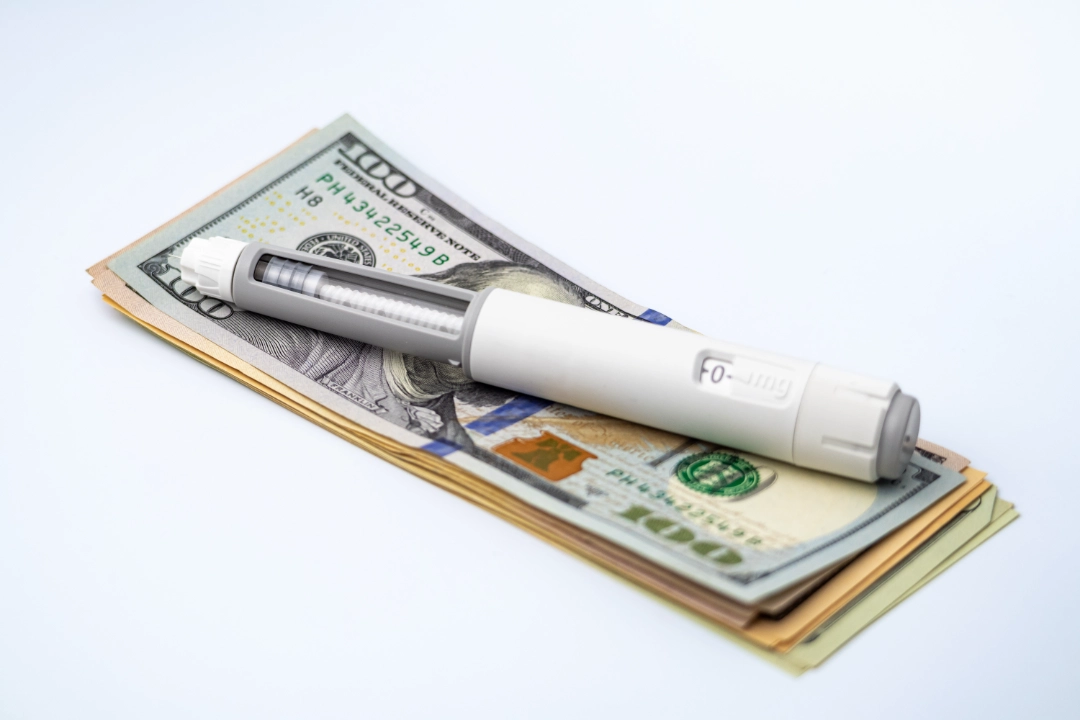
Mounjaro (tirzepatide) is an FDA-approved, once-weekly injection used to manage type 2 diabetes. It's administered in a pre-filled pen simple to use at home easily, even if you do not have any medical training. Sometimes, Mounjaro is also prescribed off-label for weight loss.
Tirzepatide mimics two hormones responsible for controlling blood sugar and appetite: glucose-dependent insulinotropic polypeptide (GIP) and glucagon-like peptide-1 (GLP-1). These hormones influence how much food is consumed by signaling fullness to the brain, how much sugar is released into the bloodstream, and how much insulin the pancreas produces. Mounjaro injections activate the receptors both hormones normally act on, leading to steadier blood sugar levels and a reduced appetite.
Thus, it's important that the dosage is prescribed appropriately. Prescribers will start patients at a very low dose to allow their bodies to become accustomed to its effects and to monitor for Mounjaro side effects, but the dosage is adjusted over time. In this article, we'll talk about how those adjustments work, why they happen, and what to expect during the progression.
Understanding Your Initial Mounjaro Dosage
Regardless of your goals and background, the standard starting Mounjaro dosage is always 2.5 mg. This dose is meant to help your body adjust with a manageable amount of medication before you are bumped up to a more therapeutic dose.
A lower dose helps to minimize side effects, and you will typically stay at this dose for at least 4 weeks before your dose increases or your prescriber assesses your tolerance to determine if you are ready for a higher dose. This gradual approach in dose adjustment is standard for a medication like Mounjaro.
How Your Mounjaro Dose Increases Over Time
The gradual increase in dosage is a practice called titration. It's slightly different with each type and form of weight loss medication, but the Mounjaro injection titration typically progresses as follows:
- 2.5 mg to 5 mg
- 5 mg to 7.5 mg
- 7.5 mg to 10 mg
- 10 mg to 12.5 mg
- 12.5 mg to 15 mg
Prescribers typically wait at least four weeks between doses before determining whether there is a need for an increase. The dose you eventually stick to long-term is what's called the maintenance dose and, as you can see, for many on Mounjaro that will end up being 15 mg.
Many people will not need to reach the highest dose of 15 mg, however, and we'll further explain below why that's okay. You and your prescriber will find the right maintenance dose for you, but it's important to know that the goal is to find the lowest Mounjaro dosage to give you the best results.
The Standard Mounjaro Dosing Schedule
Here's how the general dosing schedule would go:
- For the first 4 weeks you will stay at the minimum dose of 2.5 mg
- If you are responding well you'll move up to a 5 mg dose for the next 4 weeks
After this, you may be moved up to 7.5 mg, but many people stay at either 5 or 7.5 mg if they're getting satisfactory enough results on these doses.
How quickly you are progressing towards your goals on the medication, as well as your tolerance for any side effects, will influence the pace at which your prescriber will increase your Mounjaro dosage. The maximum dose for weight management and type 2 diabetes is 15 mg.
Different Mounjaro Doses for Different Goals
As we talked about, though everyone starts out at a 2.5 mg dose, the dose you stay on long-term will vary depending on the individual. Some may end up at 15 mg as their maintenance dose and others may stay as low as 5 mg.
Those with diabetes will have their A1C monitored to see how effective the current dosage is at helping to manage blood sugar. For weight management, your prescriber will assess how satisfactorily and consistently the weight is coming off when deciding if your current dose is sufficient or if it needs to be increased based on your personal health goals.
How to Take Your Mounjaro Dose
Mounjaro is an injectable medication that you can easily administer at home just once a week. It arrives with a pre-filled dose, so don't worry about needing special training to administer it safely. Your health practitioner will also walk you through the process and answer any questions about it.
There are three potential injection sites you can use: the stomach, thigh, or upper arm. It's important to rotate and avoid using the same injection site each week. This is to prevent irritation and inflammation in the site area.
You can take it any time of the day with or without food, and it doesn't even have to be on the same day each week as long as you leave at least three days between doses.
What to Do If You Miss a Dose
If you miss a Mounjaro dose, try not to panic, as the rules aren't quite as strict as some may assume. Just make sure that, according to the medication's guidelines, you follow the four-day rule. This means if you miss a dose, just take it as soon as you remember again as long as it's within four days.
If more than four days have passed, skip the dose this week and resume your regular schedule. It is totally understandable to be tempted to double up on doses to "make up" for the one you missed, but never take two doses within three days of each other.
According to Dr. Devon Allen, Top Nutrition Coaching's medical contributor, missing a single dose usually isn't cause for concern: "If a patient misses a single dose of Mounjaro, they likely will not notice any significant changes because the medication stays in the body for several days. If they miss more than one dose, however, they are likely to see increased food cravings and hunger, and if they are diabetic, a rise in blood sugar is likely."
Dr. Allen also notes that restarting after a longer gap can call for extra caution: "If a patient misses a dose and it has been longer than four days since their last dose, it's recommended that they skip that dose and wait until their next scheduled dose. If they miss more than one dose, the body may have decreased tolerance to the medication, and restarting at a lower dose may be indicated."
Set phone or calendar reminders every week to help keep you on schedule, especially in the first couple of months when the habit of taking an injection is still new. Most importantly, though, don't beat yourself up if you miss doses on occasion. They will happen, but your progress should continue when you get back onto your routine.
What to Expect as Your Dose Changes
Early in your Mounjaro journey, you are likely to experience mild side effects like nausea, diarrhea, or constipation. You may also have these, and other side effects like changes in taste and stomach pain, when you begin to increase your dose.
Side effects are very common and often improve as your body adjusts to each dose. And if you're really struggling with them, you can always ask your prescriber to lower your dose and delay further increases to give yourself more time to become accustomed to the medication. It is always okay to express any discomfort you may be experiencing on Mounjaro to your prescriber.
Signs Your Dose Might Need Adjusting
As long as your A1C indicates good blood glucose control with diabetes, you are losing weight consistently, and your side effects are manageable to minimal, then these are good signs the medication is doing its job well. If not, your prescriber may talk to you about adjusting the dose.
You may also remain at one dose for two or more months if you are not responding optimally at higher doses. Just know that the goal is to assess which dose strikes the balance between effectiveness and tolerability rather than the goal being to reach the highest dose.
Dr. Allen offers a clear benchmark for when a dose increase is the right call: "If a patient has been on their current dose for at least four weeks and is seeing weight loss of less than one to two pounds per week, it's appropriate to increase the dose as long as they are tolerating it well."
Important Safety Considerations for Mounjaro Dosing
Though Mounjaro has been approved by the FDA, it can still pose a danger if you do not take it as directed. So it's important to closely follow the guidance your prescriber gives you. When shopping around for a Mounjaro provider, remember to only purchase Mounjaro from legitimate healthcare entities and pharmacies.
Due to the recent surge in popularity of medications like Mounjaro, more and more counterfeit weight loss drugs are appearing on the market. These counterfeit products are illegally manufactured and sometimes contain the wrong active ingredient or the wrong amount.
Compounded tirzepatide is also a concern, as these versions are mixed by a pharmacy rather than the manufacturer, so the FDA hasn't evaluated them. Steering clear of getting your injection from an illegitimate source can protect you from compounded versions of Mounjaro that may have incorrect dosing.
Dr. Allen explains what to look for to confirm you're getting a legitimate prescription: "The best way to prevent a counterfeit or compounded version of any GLP-1 is to go through a licensed provider who prescribes through a licensed pharmacy. Patients need to be wary of any 'GLP-1' that does not require a provider visit or prescription, that comes in a powder form that needs to be mixed, or that is labeled 'for research.'"
Dr. Allen continues, "A legitimate prescription will not come in a powder or any form that needs to be mixed. It will not say 'research' on it, and it will need to be prescribed from a licensed provider to a licensed pharmacy. The only exception to the licensed pharmacy will be if it comes as a self-pay prescription directly from the pharmaceutical company such as Eli Lilly for Mounjaro. However, that still needs to go through a licensed provider."
Additionally, remember to store your injections properly, and only adjust your dosage in collaboration with your prescriber.
Considering a GLP-1? Here's How Top Nutrition Coaching Can Help
If you're exploring GLP-1 medications for weight loss or blood sugar management, medicine is only half the answer. Top Nutrition Coaching can match you with a medical provider to see if a GLP-1 prescription online is right for you, then pair you with a registered dietitian to support you through the process — helping manage side effects, protect muscle mass, and build habits that make your results last. Many insurance plans cover dietitian sessions, and some plans cover them at no additional cost, though coverage varies by plan and isn't guaranteed. A prescription requires a medical consultation and isn't guaranteed either. Take our quick quiz to see what your insurance covers and get matched with support.
Getting Started With Mounjaro
Mounjaro's weekly injectable pen usually comes pre-dosed, so administering it at home is simple. Always have open communication with your prescriber about any concerns while on Mounjaro, especially if side effects are not resolving in a reasonable time frame.
Finding the right dose is an individual process, so you won't always reach the maintenance doses we talked about above. Managing your weight and blood sugar with lifestyle changes like proper diet and exercise can help you determine a more optimal dose as well by enhancing your prescription's effectiveness.
Meeting with a dietitian can guide you into a healthy eating pattern that not only helps you lose weight, but manage blood sugar and inflammation. Nutrition counseling can also help you maintain your progress after your time taking the medication is done.
Frequently Asked Questions
What is the starting dose of Mounjaro?
The starting dosage of Mounjaro is usually 2.5 mg injected beneath the skin once a week, with or without meals.
How does Mounjaro dosage increase over time?
If more medication is needed to manage your blood sugar, your doctor will increase your dose every four weeks by 2.5 mg increments, up to a maximum of 15 mg if needed.
What is the maximum dose of Mounjaro?
The maximum dose of Mounjaro is 15 mg for both weight management and type 2 diabetes. It follows a specific, graduated dosing schedule to help the body adjust and manage potential side effects.
How long do you stay on 2.5 mg of Mounjaro?
Most people stay on the 2.5 mg starting dose of Mounjaro for four weeks. This initial period allows your body to adjust to the medication and minimizes side effects like nausea.
What happens if you miss a dose of Mounjaro?
If you miss a dose of Mounjaro, take it as soon as you remember, provided it has been four days (96 hours) or less. If more time has passed, skip it and resume your regular schedule.
What is the best Mounjaro dose for weight loss?
According to a clinical study, the most effective Mounjaro dosage for weight loss is 15 mg, although lower doses are still effective.
How often do you take Mounjaro injections?
Mounjaro is injected subcutaneously once a week, on the same day each week, at any time of day.
What are the side effects of increasing Mounjaro dosage?
When increasing your Mounjaro dose, your body typically experiences a temporary resurgence of side effects. The most frequent issues are gastrointestinal, including nausea, diarrhea, vomiting, stomach pain, and constipation.
How do I know if my Mounjaro dosage is too low?
Your Mounjaro dosage might be too low if you experience persistent hunger, strong food cravings, or a plateau in weight loss for over 3-4 weeks.
Can you take Mounjaro with or without food?
You can take Mounjaro with or without food. Since it is a weekly injection that goes directly into the fat under your skin, food does not affect its absorption.
.webp)